
Technical Guide
Technical knowledge. Better decisions.
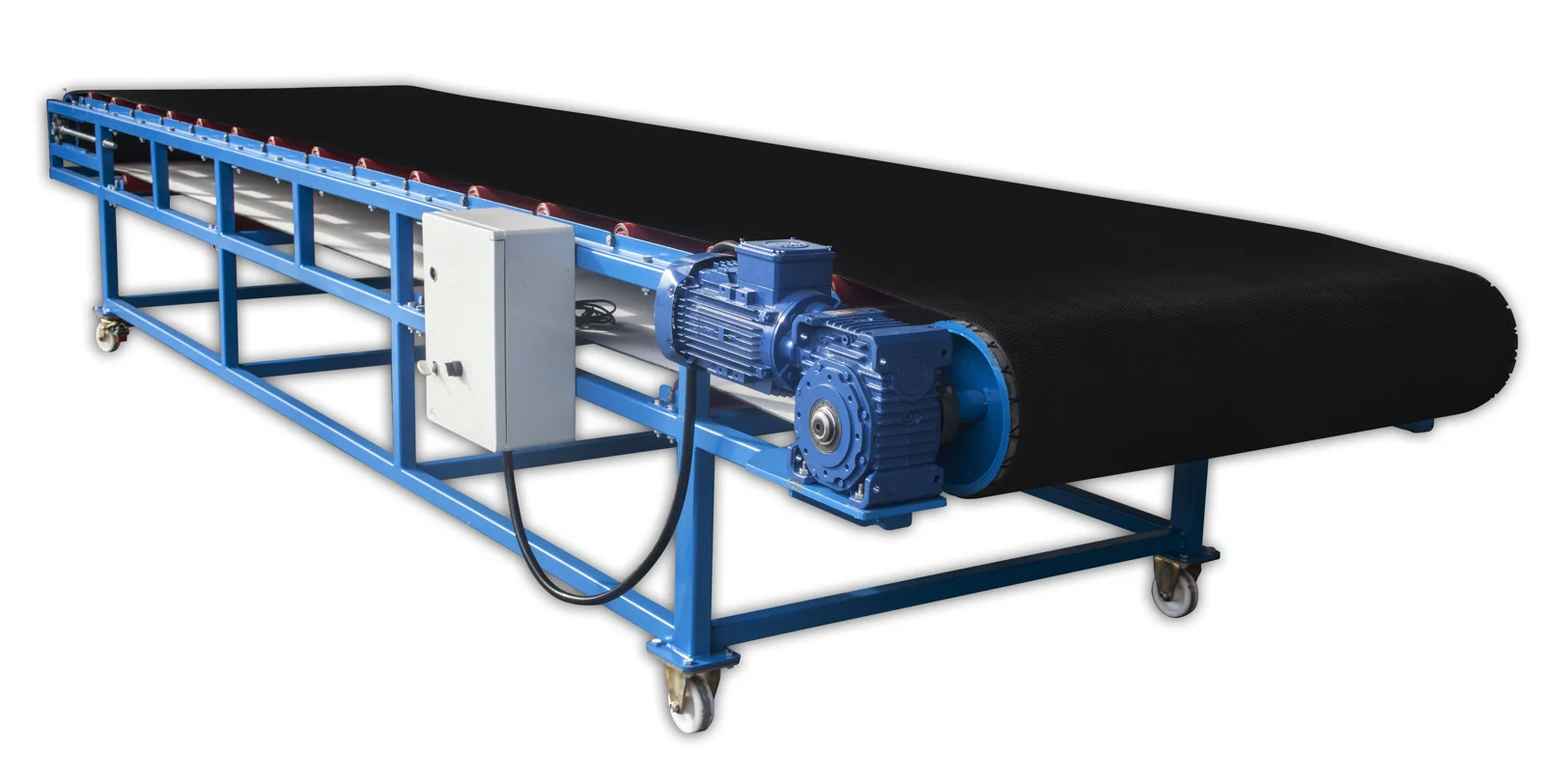
What is a conveyor and how does it work?
A conveyor moves products or materials along a defined route. Belt, roller and combined configurations serve different production processes.
Explore details ↗What information is needed to select a conveyor?
Selecting a conveyor requires product dimensions, unit weight, target throughput and operating hours. The product base and sensitivity also affect the handling method.
Explore details ↗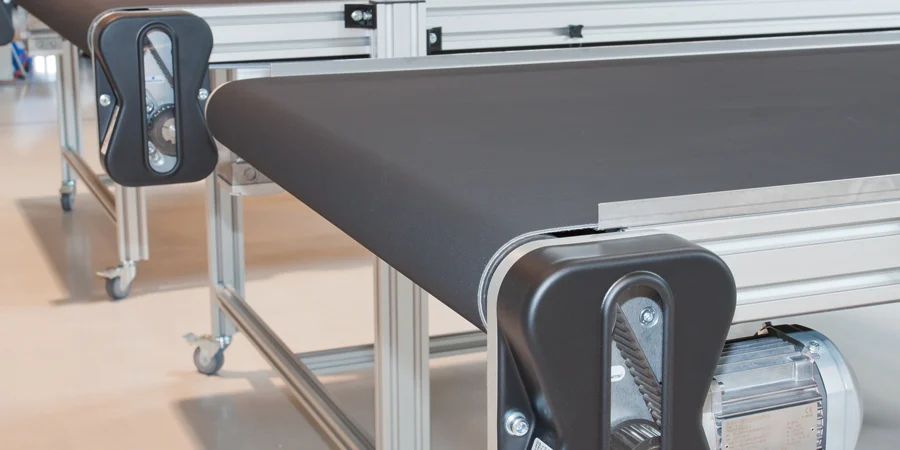
Belt and roller conveyors: key differences
A belt provides a continuous carrying surface; rollers support the load at intervals. Small products or irregular bases therefore require particular attention on roller lines.
Explore details ↗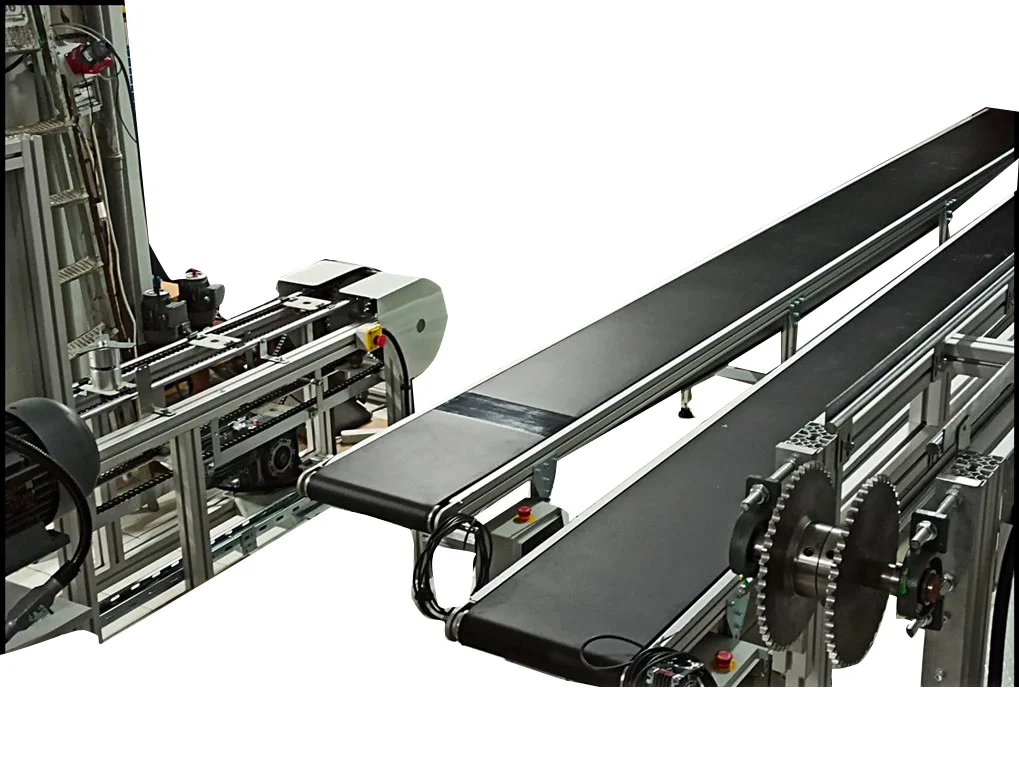
Material selection for food conveyors
For food applications, material selection starts with product contact and cleaning conditions. A generic “food belt” label does not establish suitability; manufacturer documentation must match the application.
Explore details ↗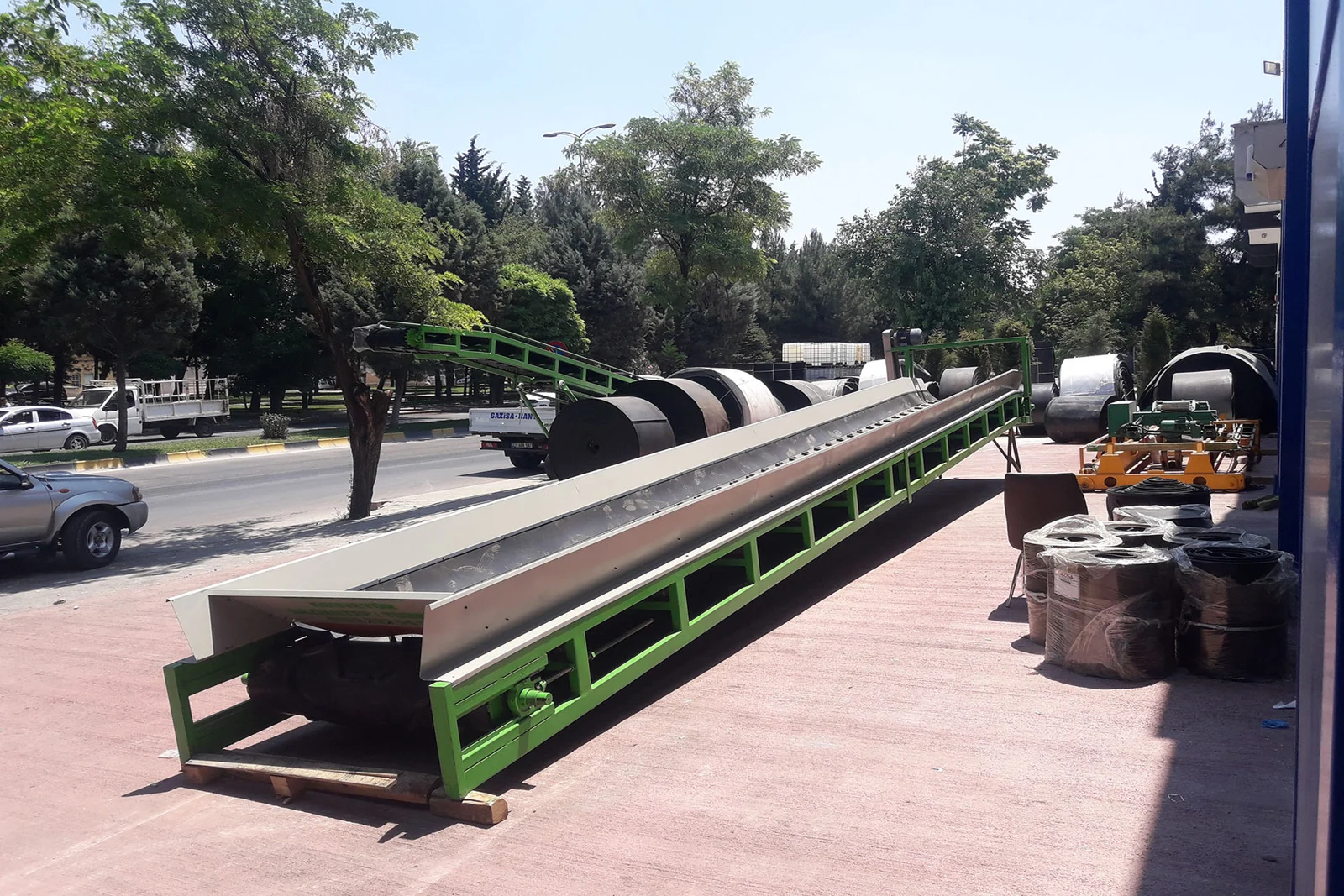
Transfer points on combined conveyor lines
A transfer point connects two modules. Height differences, gaps and speed mismatch can cause jamming or tipping. Check transition geometry against the smallest product base dimensions.
Explore details ↗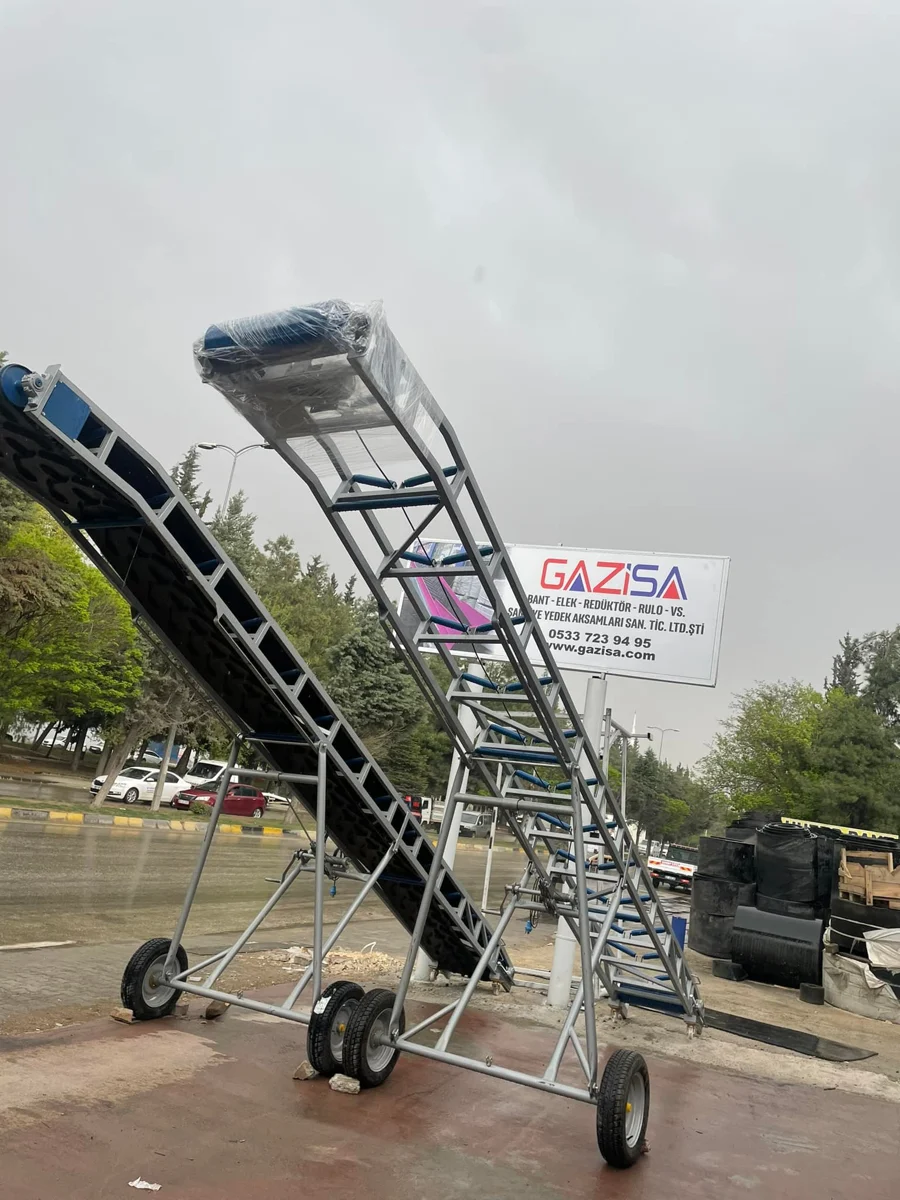
Choosing belt and angle for inclined conveyors
As inclination increases, sliding risk changes. Belt friction, product centre of gravity and feeding method should be assessed together. One fixed angle is not suitable for every product.
Explore details ↗Essential checks for conveyor belt maintenance
Before maintenance, stop the system and safely isolate energy sources. Check tension, tracking, rollers and connections according to manufacturer instructions. Do not clean or adjust moving equipment.
Explore details ↗How should capacity and speed be assessed together?
Belt speed alone does not define throughput. Product spacing, dimensions and feeding patterns affect hourly output. Higher speed can also affect transfer points and the receiving capacity of the next machine.
Explore details ↗Conveyor layout in production spaces
Layout planning should cover operator routes and maintenance access as well as the conveying route. Providing safe workspace and cleaning access around conveyors reduces later operating difficulties.
Explore details ↗Preparing a new conveyor project
For the first discussion, prepare product samples or photos, dimensions, weight and target throughput. A layout and entry/exit heights speed up assessment. Final specifications are set after project evaluation.
Explore details ↗Let’s plan for your production space.
Share your product type, target capacity and space dimensions to discuss suitable conveyor options.